Will I Suit a Fringe? How to Tell Before You Cut
By the AI Filtery Team
By the AI Filtery Team
Upload a photo and transform it with AI for free — no sign-up, no watermark, photos never stored.
Most people who ask will I suit a fringe are pleasantly surprised by the answer. Fringes are more forgiving than their reputation — the real question is not whether a fringe suits you, but which fringe does. Curtain and textured fringes soften almost every face shape, while blunt and micro fringes make a bolder statement that rewards the right bone structure.
Three things decide the answer: your face shape, your forehead, and your hair texture. Oval and heart-shaped faces can wear almost any fringe; round faces do best with a diagonal curtain or side-swept fringe that adds length; square faces are flattered by soft, textured fringes that blur a strong jawline. If your hair is fine, a wispy fringe looks fuller; if it is thick, a blunt fringe holds its shape beautifully.
Round faces benefit most from diagonal lines. A curtain fringe or a side-swept fringe breaks up width and adds verticality, which makes the face read longer and more defined. Avoid a heavy straight-across fringe on a round face, as it emphasizes width.
Square faces soften with texture — a choppy, feathered fringe blurs a strong jawline and adds movement. Heart-shaped faces balance a wider forehead with a softer, slightly parted fringe, while long faces can carry a fuller, straighter fringe that shortens the face visually. When in doubt, a curtain fringe is the safest bet: it flatters nearly everyone.
If you searched will I suit a fringe, you may have noticed some guides talk about bangs instead. There is no difference: fringe is the word used in the UK, Australia and most of Europe, while bangs is the American word. Every piece of advice about fringes applies word for word to bangs, and any tool that previews bangs previews fringes too.
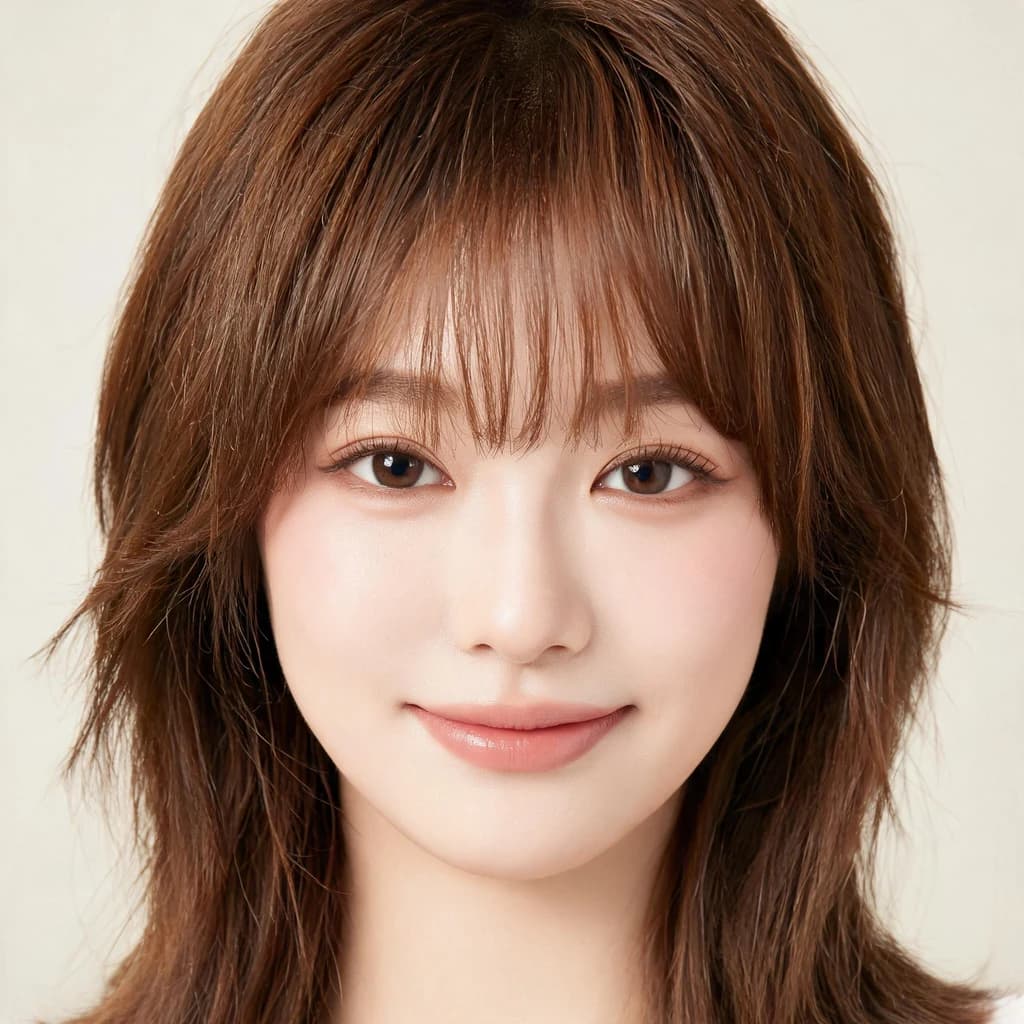
That is good news for your search: whichever word you type, the answer you need is the same — and so is the fastest way to get it. A free AI bangs filter shows a realistic fringe on your own photo in seconds, so you stop guessing from pictures of other people.
Face-shape guides narrow the options, but only your own face gives the final answer. Upload a clear, front-facing selfie to a free bangs filter and the AI adds a natural fringe that follows your real hairline and matches your hair color — while keeping your face, expression and background untouched. You can compare blunt, curtain, wispy, textured and even micro bangs side by side.
For the most accurate preview, use a photo with your full forehead and hairline visible, in good even light. Then save the watermark-free result and show it to your stylist — walking into the salon with a fringe preview of your own face is the closest thing to knowing the answer before a single strand is cut.
Probably yes — most face shapes can wear a fringe, and the deciding factor is which style. Curtain and textured fringes flatter almost everyone, while blunt fringes suit oval and heart-shaped faces best. Previewing a fringe on your own photo removes the guesswork entirely.
A curtain or side-swept fringe. The diagonal lines break up width and add verticality, making a round face look longer and more defined.
Soft, textured or wispy fringes. They blur a strong jawline and add movement, whereas a hard blunt fringe can emphasize angularity.
A soft, slightly parted fringe that narrows a wider forehead — curtain and wispy fringes balance a heart-shaped face especially well.
Yes. A free AI bangs filter adds a realistic fringe to your own selfie in seconds — blunt, curtain, wispy, textured or micro — with no sign-up and no watermark.
Blunt fringes need a trim every 3–4 weeks to keep the line sharp. Curtain and textured fringes grow out gracefully and can go 6–8 weeks between trims.